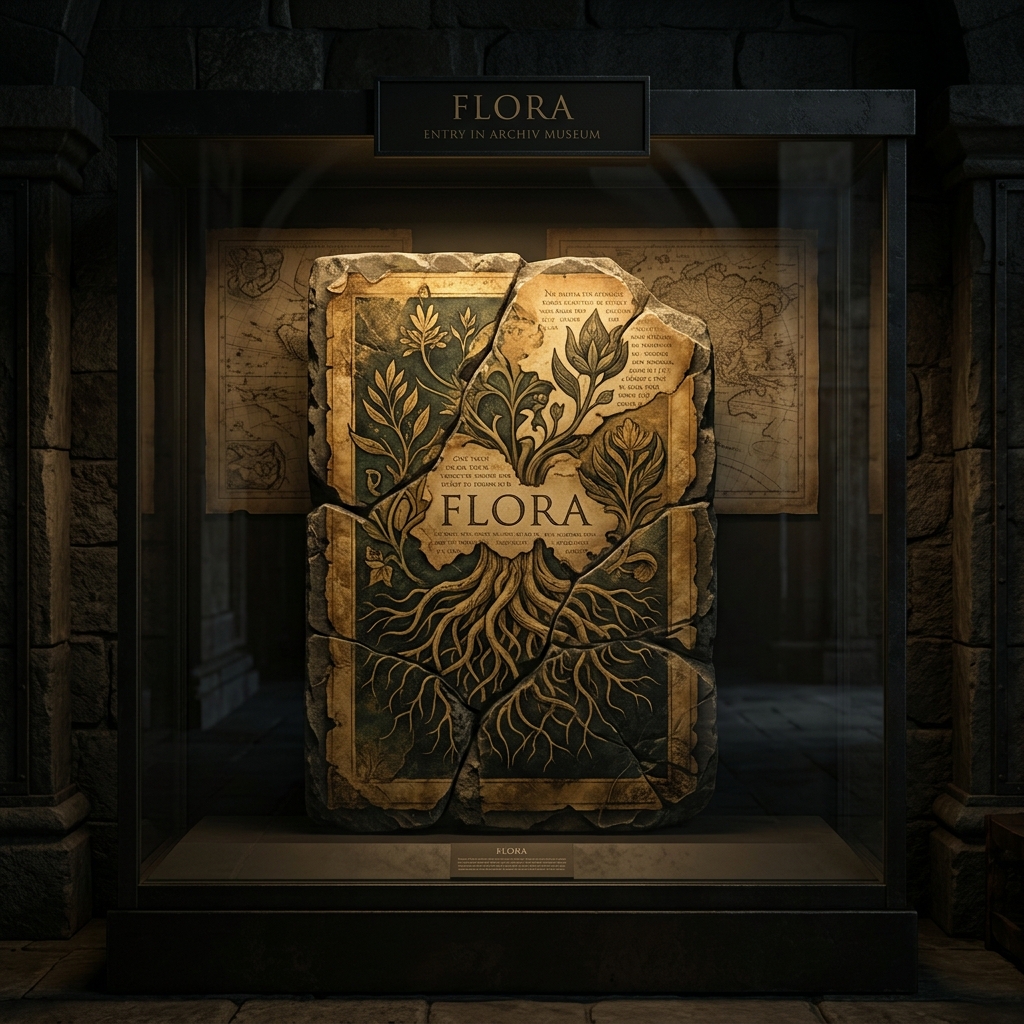
Original light drawing · not a replica of a cultural object
01 — 06
Six doors, six distinct story trails
In this hall, stories do not replace historical evidence. Sourced summaries and our own interpretations carry separate labels. Living cultures are not assumed to have one voice or one unchanging version.
6 / 6 stories
A contemporary interpretation of this story · not a document copy
Gathering around a voice
Wood and strings evoke words carried by music; this is not a measured copy of a historic instrument.
Open the earlier symbolic drawing
Epic tradition
Dede Korkut · The travelling voice
A shared heritage of Turkic-speaking communities
What the source records
UNESCO’s 2018 entry describes Dede Korkut heritage as transmission across generations through storytelling, performance and music.
Explore the story further+
The story trail · a short summary
A wise storyteller moves through this tradition in words and music. Its memory lives both on the page and among the communities who perform it anew.
A Vagabond reading
Keeping a story alive can mean making room for a new listener. Preservation asks for attention as well as memory. What changes when a child interrupts to ask why?
This original reading is not a full-text translation. Story trail, source record and our interpretation remain distinct; other variants are not replaced.
Begin with the terms
Oral culture
Transmission through telling, listening and performance.
Variant
A form altered through a different telling.
Context
Who shares a narrative, where and for what purpose.
01
Look beyond one character towards a tradition.
Dede Korkut invites attention to voice, music and community as well as a figure. Our short trail does not represent every text in the tradition. Reducing a tradition to one book cover can hide the labour of those who tell it again. Identify which account or transmission you are examining before generalising.
02
A changed detail is not necessarily an error.
Oral telling can vary in wording, setting or detail. Compare records to investigate those differences. Calling every change corruption is as premature as declaring every new addition ancient. Distinguishing documented telling, new interpretation and our learning exercise makes comparison more useful.
03
The listener belongs to memory too.
A child’s question may interrupt a story so an unfamiliar word can be explained. The pause need not damage the story; it can help meaning travel. Repeating words and explaining their relationships are different achievements. This is why an opportunity to ask matters alongside remembering the wording.
Think it through · Illustrative example
Tell a short passage once without explanation, then again with one unfamiliar word explained. If the event remains but understanding improves, explanation has helped transmission. Say which word you opened and why.
Explain it in your own words
Can one record be presented as the unchanging form of an entire tradition?
Examine the reasoning↓
No. Identify place, date and scope. Acknowledging variants is not the same as treating every detail as identical. Our brief interpretation is not the complete traditional text.
Opening the source
First identify the kind of record
UNESCO’s 2018 inscription treats the Dede Qorqud / Korkyt Ata / Dede Korkut heritage as culture transmitted through words, performance and music. That date is not the stories’ date of origin. The record provides a safeguarding framework, not a critical edition comparing every manuscript of a single book.
Read without losing the context
Writing a story down and performing it are different experiences. A pause, a listener’s anticipation and music can create a relationship absent from the page. The instrument and seats here help us consider that relationship. They depict neither a named performer nor a ceremony shared by every community.
A question for your own reading
Imagine hearing the same story from two people close to you. When the words change, what remains: the event, a feeling, a way of acting? First notice the difference. Then ask whether it is an error or a new connection between teller and listener.
Which story will you pass on, and in whose voice?
A contemporary interpretation of this story · not a document copy
A threshold and a trust
Light through the cave wall represents the clue leading Cemşab to the garden in the Tarsus version.
Open the earlier symbolic drawing
Legend
Shahmaran · The threshold of trust
A Tarsus variant · Mersin
What the source records
Türkiye’s Culture Portal records a Tarsus variant in which Cemşab reaches an underground garden and makes a promise to Shahmaran.
Explore the story further+
The story trail · a short summary
Left in a cave, Cemşab follows light into a hidden garden. He promises to protect Shahmaran’s whereabouts; later, pressure puts that trust to a painful test.
A Vagabond reading
Knowing a secret does not settle who has the right to disclose it. This door asks what care we owe to someone who has trusted us.
This original reading is not a full-text translation. Story trail, source record and our interpretation remain distinct; other variants are not replaced.
Begin with the terms
Entrusted responsibility
A responsibility carried through another person’s trust.
Pressure
Conditions narrowing or complicating a choice.
Interpretation
A reading that gives meaning to relationships in a story.
01
Discovery does not establish ownership.
Reaching a hidden place does not give Cemşab unlimited authority over its inhabitants. This is an ethical question we bring to a legend, not a historical finding. Distinguishing “I know” from “I am entitled to reveal it” shows how a secret can concern relationships as much as discovery.
02
Keep a decision connected to its conditions.
The Tarsus account includes a promise tested under pressure. Treating it as an easy loyalty test can diminish the weight of the situation. Ask who knows what, who encounters which power and whose life is affected. Understanding a condition does not automatically approve an action; it identifies what a judgement must consider.
03
One legend is not a community’s only voice.
Şahmaran can carry different details and meanings elsewhere. Our source represents a particular local account. Our new artwork is not the unchanging image of every telling. Respect for a legend does not require using it as a medical method or historical document. Symbolic meaning and practical evidence remain distinct.
Think it through · Illustrative example
A fictional friend entrusts private information to you. Knowing it does not give unrestricted permission to share it. This brings one question from the legend into everyday life without claiming to exhaust its meanings.
Explain it in your own words
Is a symbolic element of a legend automatically practical knowledge?
Examine the reasoning↓
No. Literary meaning, historical claims and scientific or practical claims need different support. This reading explores responsibility without turning the legend into instructions.
Opening the source
First identify the kind of record
The Culture Portal classifies this text as the Şahmaran legend from Mersin and names Deniz Karakurt’s Türk Söylence Sözlüğü as its source. This is a record with an identified intermediary. Its publication or update date does not date the legend’s origin.
Read without losing the context
In the Tarsus version, the garden, the promise and the secret disclosed under pressure belong together. Looking only at the outcome can hide the conditions of a decision. A healing motif in a legend, however, is not evidence for a treatment in the real world. This scene examines trust; it offers no medical advice.
A question for your own reading
Before sharing something private that someone told you, consider the difference between knowing it and having permission to disclose it. Whose consent is present, and who might be harmed? These present-day questions are our reading, not a claim that every teller teaches the same moral.
What helps you protect a trust when doing so becomes difficult?
A contemporary interpretation of this story · not a document copy
Questions setting out together
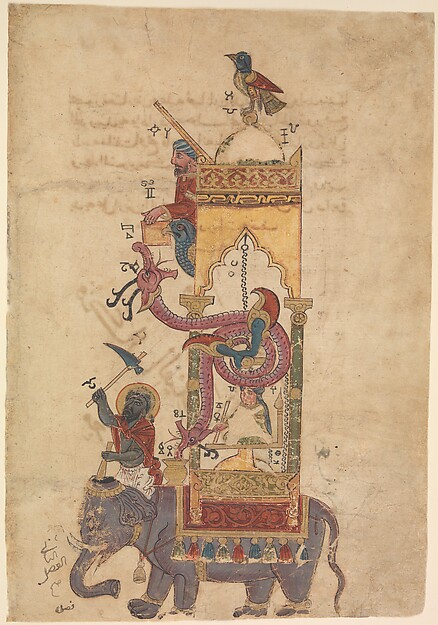
The crested bird recalls the hoopoe; it does not copy the historic miniature.
Open the earlier symbolic drawing
Literary allegory
Simurgh · Those who seek together
Farid al-Din Attar · The Conference of the Birds
What the source records
In Attar’s poem, the hoopoe invites birds to seek Simurgh. The NEH-supported resource examines an illustration of this scene made around 1600.
Explore the story further+
The story trail · a short summary
The birds hear a call to travel. We pause at the invitation: a literary journey can also become an encounter with the seeker’s own limits.
A Vagabond reading
Companions need not become copies of one another. Carrying the same question with different fears can give a journey its depth.
This original reading is not a full-text translation. Story trail, source record and our interpretation remain distinct; other variants are not replaced.
Begin with the terms
Allegory
A relationship between narrative elements and another field of meaning.
Quest
A pursuit in which the seeker’s question can also change.
Reading path
A chosen question for approaching a text, not necessarily the only one.
01
A journey can carry more than a route.
The birds’ call invites questions about why searching begins as well as where it leads. Desire, fear and companionship can be part of a literary journey. We do not assume one key decodes every symbol. This explanation is a reading path, not a replacement for every interpretation of the work.
02
Being together need not mean being identical.
Travellers sharing a question can have different experiences. Difference does not automatically defeat a shared path, but declaring every difference harmonious can hide tension. Ask whose fears are heard and who is left behind. These are our reflective questions, not claims that their exact wording belongs to the old text.
03
A miniature and a text open different doors.
The source image belongs to a particular manuscript and painting context. A text’s composition and an illustration’s production can have different dates. One image cannot establish every event or the sole interpretation of a work. Reading object information reveals the many kinds of creative labour carrying a story.
Think it through · Illustrative example
A group shares a destination. One member fears the pace; another fears being alone. A common goal is not an identical experience. Ask what you missed before saying everyone wants the same thing.
Explain it in your own words
Does reading the story as a shared quest discover its single true meaning?
Examine the reasoning↓
No. A reasoned interpretation can follow relationships within a work without excluding all others. Interpretation, historical information and an image’s object record address different questions.
Opening the source
First identify the kind of record
The Muslim Journeys resource explains a Safavid miniature from around 1600 illustrating Attar’s Mantiq al-Tayr. The poem, its illustration and its presentation in a modern museum record belong to different moments. The painting’s date is not the poem’s composition date or the date of a page written by Attar himself.
Read without losing the context
The hoopoe addressing the birds is a literary scene. Here we connect the birds with human fears and the experience of seeking together; that connection is our interpretation. We neither confine every use of Simurgh in other texts to this poem nor present a literary allegory as ornithology.
A question for your own reading
Does a companion’s hesitation necessarily mean opposition to a shared aim? What would you ask to understand what that person is trying to protect? Return to the text and distinguish your interpretation from what the source explicitly says; an appealing metaphor is not, by itself, a quotation.
Must you know every answer before setting out?
A contemporary interpretation of this story · not a document copy
Looking at the empty place
The uninscribed clay recalls a medium for stories; no invented cuneiform or translation has been added.
Open the earlier symbolic drawing
Epic tradition
Gilgamesh · What remains
Mesopotamia · Sumerian and Akkadian layers
What the source records
The epic has multiple textual layers. The Met’s essay discusses Gilgamesh’s search for immortality after losing Enkidu.
Explore the story further+
The story trail · a short summary
The loss of a friend changes the hero’s world. When strength cannot answer grief, a journey begins; the search for endless life turns towards what a life leaves behind.
A Vagabond reading
Does a life gain meaning by lasting forever, or through what it gives to others? Time offered to a friend belongs beside the grand monuments in that question.
This original reading is not a full-text translation. Story trail, source record and our interpretation remain distinct; other variants are not replaced.
Begin with the terms
Epic
An extended narrative shaped around heroes and shared concerns.
Textual witness
A particular written record in a work’s transmission.
Limit
The inability of a power or resource to solve every problem.
01
A hero’s power does not settle every question.
Loss and mortality bring the hero to something strength cannot simply close. This reading does not prescribe how an individual should grieve. Following a literary quest allows us instead to ask what gives a life value when achievement cannot provide every answer.
02
An ancient text need not be one unbroken voice.
The Met essay draws attention to different records and layers of Gilgamesh narratives. Survival involves copying, selection and study. An old work does not mean every surviving sentence was recorded at its first emergence. A particular text, a historical individual and the entire tradition are not the same object of inquiry.
03
Return need not be another word for failure.
A quest can miss its original aim while changing what a traveller notices. This does not mean every hardship inevitably produces something good. The narrower question is whether other values become visible when a goal remains unmet. Friendship, city and remembrance provide a reading path without reducing the whole work to one moral.
Think it through · Illustrative example
Imagine wanting to create something that lasts forever. You then notice what collaborators taught each other. That value does not prove the first goal succeeded, but it prevents a single measure from exhausting the assessment.
Explain it in your own words
Does a character’s possible historical existence make every narrated event a historical record?
Examine the reasoning↓
No. Historical individuality, literary narrative and surviving written witnesses require separate investigation. Evidence for one does not automatically establish every detail of another.
Opening the source
First identify the kind of record
Ira Spar’s Met essay explains different textual layers in Sumerian stories and Akkadian compositions. It would be misleading to assume a single book written at one moment and preserved unchanged. The essay also notes the absence of contemporary information about Gilgamesh; an epic hero is not the same thing as a documented biography.
Read without losing the context
The question opened by Enkidu’s death need not be reduced to the hero’s success. Power, friendship and mortality test one another within the story. The empty place therefore stands at the centre, leaving room to think without turning loss into spectacle. This reading prescribes neither one correct feeling nor one way of coping with grief.
A question for your own reading
Are living forever and leaving a good mark on other lives the same desire? You can consider the question from the hero’s position, then separate the story’s events from your application to your own life. A literary encounter may open personal reflection without deciding for everyone.
What good trace could you leave in someone’s life today?
A contemporary interpretation of this story · not a document copy
A life that will not fit into a day
The sun near the horizon sets the scene of the myth; it does not model actual celestial motion.
Open the earlier symbolic drawing
Mythic narrative
Māui · Catching the sun
A Māori narrative · Aotearoa / New Zealand
What the source records
In Te Ara’s account, Māui and his brothers slow the sun because the days leave too little time for daily tasks.
Explore the story further+
The story trail · a short summary
The sun passes quickly and work remains unfinished. Ropes prepared together challenge the pace of the sky. An everyday need becomes the heart of a cosmic story.
A Vagabond reading
We cannot bind the sun today. We can ask what fills our hours. Instead of fitting in more tasks, which moment would you give more room?
This original reading is not a full-text translation. Story trail, source record and our interpretation remain distinct; other variants are not replaced.
Begin with the terms
Cosmic narrative
A story connecting human concerns with celestial or world-forming elements.
Variant
A form found in another transmission.
Analogy
Approaching a relationship through another pattern.
01
Look at everyday need alongside the sun.
The sun participates in unfinished tasks and daily rhythm rather than remaining merely a celestial object. A large cosmic image meets ordinary experience. Reading that connection is not treating the story as an astronomical record. Scientific explanation and a community’s narrative world can address different questions.
02
Keep shared preparation visible.
Following only the hero’s striking action can hide preparation and cooperation. Our short trail preserves companions. Ask what made an action possible as well as who performed its final movement. This is a chosen way to investigate relationships behind an image centred on a single hero.
03
One account cannot speak for the whole Pacific.
Māui traditions are not one fixed text. We identify our source’s context without erasing other tellings. Connecting the story with our experience of time does not mean it was only about modern working life. A respectful comparison makes both resemblance and difference visible.
Think it through · Illustrative example
When work remains unfinished you might say, “The day has become shorter.” This can express pressure without establishing an astronomical change. State the level at which an image is being used.
Explain it in your own words
Does comparing a myth with present-day time pressure discover a scientific explanation?
Examine the reasoning↓
No. It is interpretation and comparison. The narrative’s setting, scientific measurement and personal experience should not replace one another.
Opening the source
First identify the kind of record
Rāwiri Taonui’s Te Ara article on Ranginui places the slowing of the sun within Māori sky traditions. Māui and his brothers prepare ropes and catch the sun together. Our context is a Māori account from Aotearoa / New Zealand; not all Polynesian traditions are reduced to this version.
Read without losing the context
The problem in the account begins with daily needs: too little time for work and rest. The scene therefore includes ropes held together rather than a lone hero. It uses no sacred cultural designs or invented human identities. We offer a visual interpretation of a narrative, not an astronomical explanation or a representation of an entire culture.
A question for your own reading
Do you want to fit more work into a day or reclaim part of that day? These may be different aims. Consider whose time a task uses and who has room to rest. These are present-day connections we draw from the account, not definitive judgments made on behalf of the tradition.
What do you actually need to slow down?
A contemporary interpretation of this story · not a document copy
Memory carried by a fine thread
The small spider recalls the trickster figure; it is not a scientific drawing of a particular species.
Open the earlier symbolic drawing
Oral storytelling
Anansi · A story across borders
West Africa and Jamaica · changing storytelling traditions
What the source records
The 2012 study described by the University of the West Indies Press examines how spider Anansi stories changed as they travelled from West Africa to Jamaica.
Explore the story further+
The story trail · a short summary
Anansi often relies on cunning rather than size. Changing in the hands of different storytellers, this small figure reminds us that stories themselves can travel.
A Vagabond reading
Cleverness can open a door. That does not tell us where it leads, or who pays for the escape. A brilliant solution still invites an ethical question.
This original reading is not a full-text translation. Story trail, source record and our interpretation remain distinct; other variants are not replaced.
Begin with the terms
Trickster
A narrative figure using indirect or surprising ways around problems.
Consequence
Effects a solution produces for different people.
Transmission path
A story continuing in other places and communities.
01
Consider the relationship between smallness and power.
Anansi invites thought about speech and intelligence as well as bodily strength. This is not a formula giving every telling one outcome. A small hero can play different roles across accounts. Our short trail opens a family of narratives rather than presenting all events or one unchanging moral.
02
A clever solution does not remove consequences.
A plan can succeed while leaving someone else with a burden. Keep “Is it clever?” alongside “What happened to whom?” Understanding a story’s game does not require praising every action. Asking who is laughed at and who gets to speak opens another layer of reading.
03
Travelling stories can change.
Continuing elsewhere does not mean every detail remains fixed or every community tells it alike. Our source here is a research book’s catalogue and scope record; we do not claim to have read the full book. Historical transmission requires evidence about route and time. Two similar motifs alone do not prove a common origin.
Think it through · Illustrative example
In a fictional game, someone wins by exploiting a rule while leaving all the work to teammates. Cleverness can be recognised, but distribution of the burden needs a separate assessment. Success is not the only consequence.
Explain it in your own words
Do similar trickster figures establish that one culture certainly borrowed from another?
Examine the reasoning↓
No. Resemblance opens a question; records, routes and chronology require separate study. Our comparison is not proof of a historical connection.
Opening the source
First identify the kind of record
The University of the West Indies Press description outlines Emily Zobel Marshall’s 2012 study Anansi’s Journey; the university library record supplies bibliographic details and contents. Neither is the complete book. We do not invent quotations from unread chapters or imply access to a recording of a particular storyteller.
Read without losing the context
The publisher situates transmission from West Africa to Jamaica in the context of enslavement and resistance. The thread here invites us to consider transmission as more than moving an unchanged tale. One Anansi story does not represent all of West Africa or the Caribbean; its place and conditions of telling matter.
A question for your own reading
Why can it feel satisfying when someone who seems powerless wins through wit? Then ask who pays the price of the trick. An action may be resistance in one context and harmful in another. This is our reflective exercise, not a single moral imposed on every Anansi story.
Is being clever enough to make an idea right?
Vagabond’s comparative interpretation · not a claim of historical influence
A question between two stories
Noticing a resemblance matters, and so does preserving a difference. Choose a reading path and consider two stories within their own contexts.
The worth of time
A Māori narrative · Aotearoa / New Zealand
Māui · Catching the sun
With Māui, we consider making room for everyday life. The question here is how to inhabit a day.