
MÉMOIRE DIFFICILE · TÉMOIN
Se souvenir, c’est regarder avec soin.
Une salle indépendante qui protège les preuves, le témoignage et la dignité humaine sans transformer la souffrance en spectacle.
Un seul univers · Seuils différents
QUANIA · SALLE DE LA MÉMOIRE
Mémoires difficiles
Une archive vivante pour comprendre les expériences douloureuses de l’humanité à partir des documents, du contexte et des témoignages.
La dignité des personnes, la pluralité des mémoires et la vérification des faits guident la lecture de chaque dossier.
← Revenir à la salle des racines de FLORAMÉMOIRES DIFFICILES · SALLE DES TÉMOIGNAGES
Mémoire numérique et éthique
Qu’est-ce que la salle des Mémoires difficiles ?
La salle aborde le passé traumatique par les documents vérifiables et le droit, dans le respect de la dignité des victimes.
Cette salle aborde la guerre, les génocides, les catastrophes, les discriminations et la perte dans un cadre documentaire. Elle ne présente aucune image de violence graphique.
Méthode de sélection
Les dossiers réunissent les faits, leur contexte, leurs conséquences humaines et les sources qui permettent de les vérifier. Une affaire en cours est présentée selon son état juridique actuel.
Les dossiers dont la traduction est en cours présentent encore des passages dans leur version d’origine.
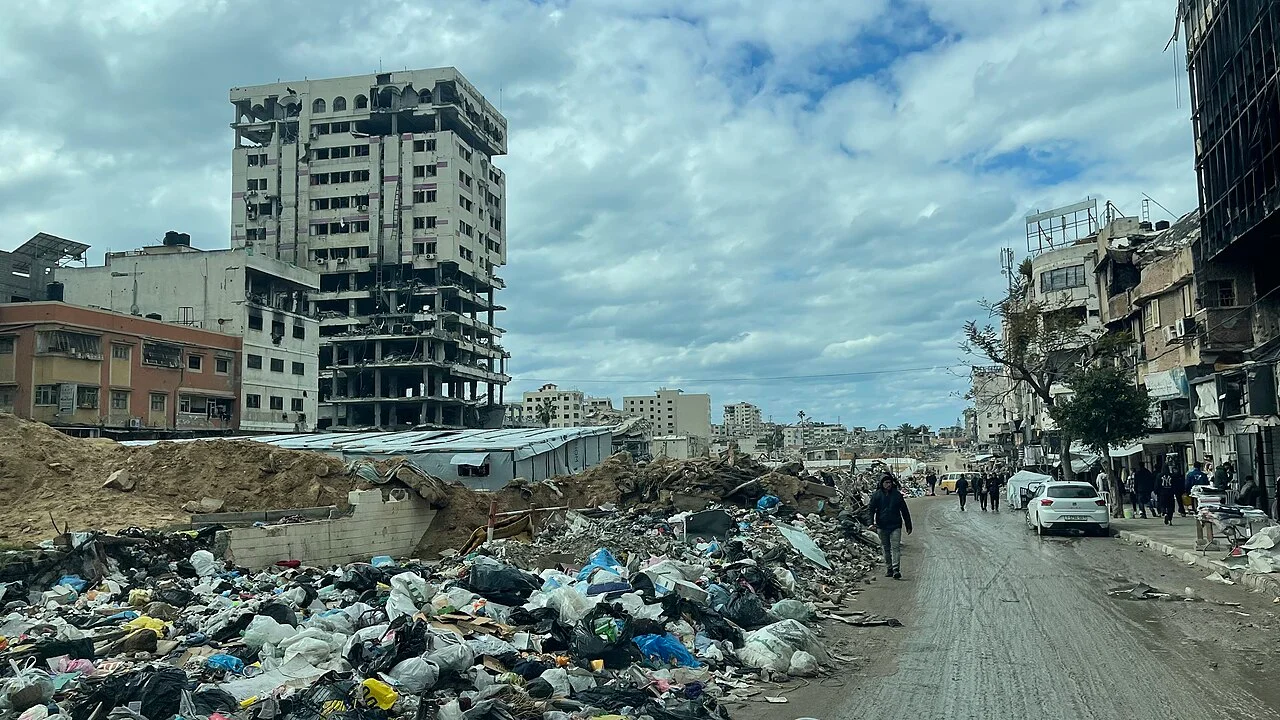 001🕯️Gaza: Genocide Findings and Civilian LifeConflits et violences de masse · 2023–9 axes de lecture · 8 sourcesOuvrir le dossier +
Omar Mukhtar Street in Gaza City · 23 February 2025; traces of war in the built environment
Image: Jaber Jehad Badwan · Image source · CC BY-SA 4.0
On 16 September 2025, the UN Commission of Inquiry concluded that Israel had committed genocide against Palestinians in Gaza. This record examines that finding alongside civilian life.
Chronologie en trois étapes
- 01Before2023–
Military decisions, restrictions on aid access and duties to protect civilians require separate scrutiny. Responsibility of states and armed actors must not become collective blame against a people or religion.
- 02Event / process2023–
On 16 September 2025, the UN Commission of Inquiry concluded that Israel had committed genocide against Palestinians in Gaza. This record examines that finding alongside civilian life.
- 03AftermathContinuing memory
Humanitarian work, independent documentation and judicial proceedings have distinct roles. None replaces the duty to protect civilians.
Contexte historique
The destruction in Gaza since October 2023 must also be examined through displacement, shelter and access to essential services. Names and everyday lives must not disappear behind aggregate figures.
Causes et enchaînement des décisions
Military decisions, restrictions on aid access and duties to protect civilians require separate scrutiny. Responsibility of states and armed actors must not become collective blame against a people or religion.
Comment les preuves sont-elles établies ?
OCHA’s report of 15 October 2026 documents civilian casualties, displacement and severe problems affecting health, water and shelter. Read each figure with its source and reporting period.
Conséquences humaines
Injury and bereavement are accompanied by lost care, education, family connections and safe homes.
Droit et responsabilité
The commission’s genocide finding is not a final judgment of the ICJ. In South Africa v. Israel, the Court’s order of 21 May 2026 set further written-pleading deadlines; merits proceedings remain ongoing.
Réponse, réparation et reddition de comptes
Humanitarian work, independent documentation and judicial proceedings have distinct roles. None replaces the duty to protect civilians.
Leçons pour aujourd’hui
Read this as a living file: distinguish document dates, institutions, testimony and legal stages. Human dignity does not depend on identity.
Lecture critique
A commission report, humanitarian report and court file answer different questions and must not substitute for one another.
Question de réflexion
How can preserving this memory help us recognise early signs of violence today?
Sources de vérification
8 références vérifiées- institutionalUN OCHA — Occupied Palestinian Territory
- institutionalUN Commission of Inquiry — Genocide in Gaza, 16 September 2025
- institutionalUN OCHA — Humanitarian Situation Report, 15 October 2026
- primaryInternational Court of Justice — South Africa v. Israel, Case 192
- institutionalSouth African Presidency — ICJ procedural order of 21 May 2026
- institutionalUnited Nations Digital Library — Framework of Analysis for Atrocity Crimes
- institutionalUSHMM — Genocide and Mass Atrocity Prevention
- institutionalUNHCR — Refugee Data Finder
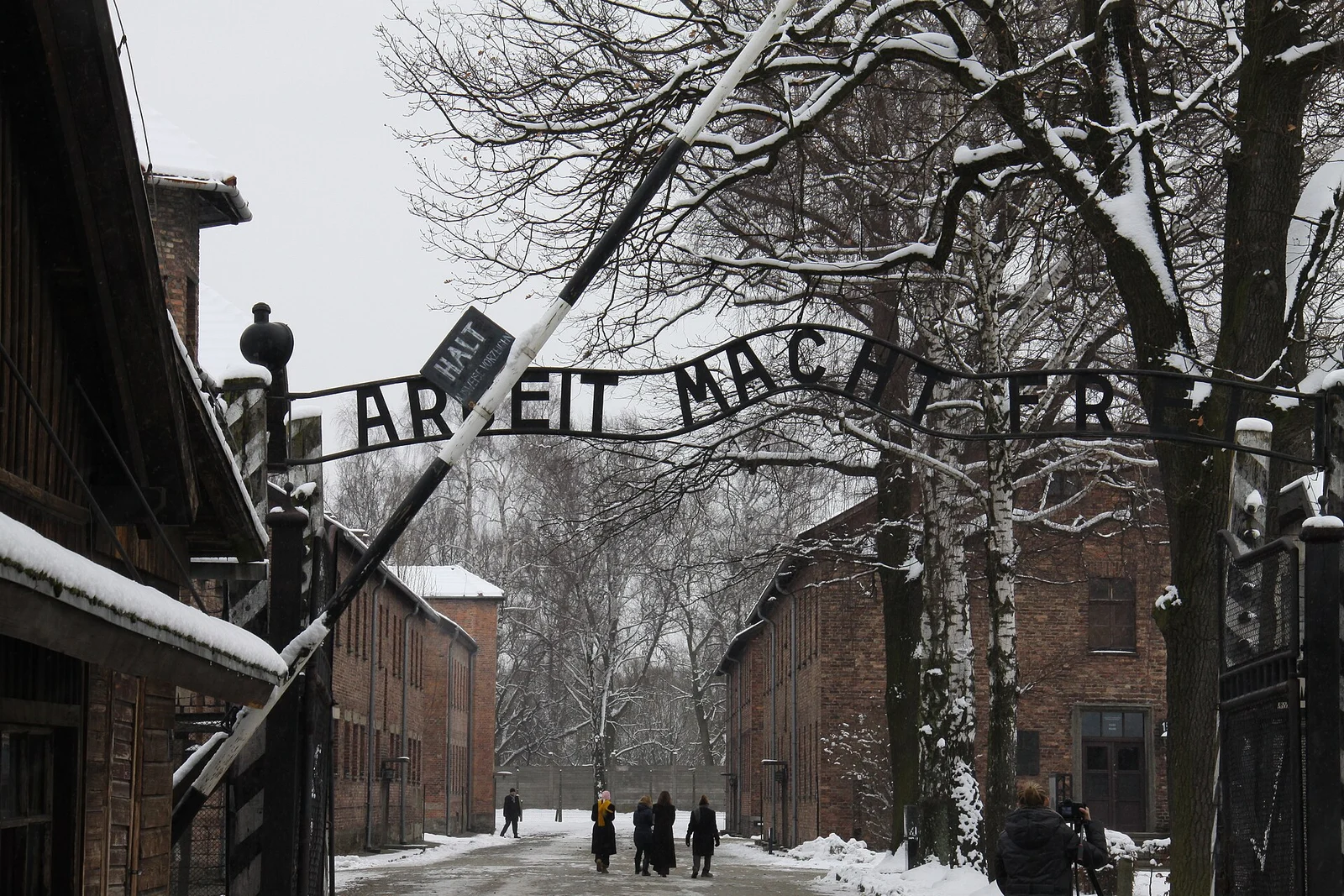 002✡The HolocaustConflits et violences de masse · 19339 axes de lecture · 7 sourcesOuvrir le dossier +
Entrance gate of Auschwitz I on the 70th anniversary of liberation · 27 January 2015
Image: U.S. Department of State · Image source · Public domain
The Holocaust was the systematic persecution and murder of six million European Jews by Nazi Germany and its allies and collaborators between 1933 and 1945. Nazi mass crimes against other groups are also examined in their own contexts.
Chronologie en trois étapes
- 01Before1933
Root causes include deep-rooted European antisemitism, post-World War I economic collapse, National Socialist racial supremacy doctrine, weakening of democratic institutions, and the international community's failure to intervene early.
- 02Event / process1933
The Holocaust was the systematic persecution and murder of six million European Jews by Nazi Germany and its allies and collaborators between 1933 and 1945. Nazi mass crimes against other groups are also examined in their own contexts.
- 03AftermathContinuing memory
The Nuremberg Trials established the foundation of international criminal law. The United Nations adopted the Genocide Convention and the Universal Declaration of Human Rights in 1948. The Holocaust became a permanent turning point in international law, human rights, and collective security understanding.
Contexte historique
The Holocaust occurred through the transformation of centuries-old European antisemitism into a systematic extermination policy by National Socialist ideology. The Nazi regime, which came to power in 1933, gradually escalated from discriminatory laws to concentration camps and ultimately to industrial-scale mass extermination.
Causes et enchaînement des décisions
Root causes include deep-rooted European antisemitism, post-World War I economic collapse, National Socialist racial supremacy doctrine, weakening of democratic institutions, and the international community's failure to intervene early.
Comment les preuves sont-elles établies ?
The Nuremberg Trials and subsequent proceedings documented the systematic planning of the genocide through documentary evidence. Records kept at concentration and extermination camps, witness testimonies, and physical evidence constitute a comprehensive historical archive.
Conséquences humaines
Two-thirds of Europe's Jewish population was annihilated. Survivors experienced profound psychological trauma that has been transmitted across generations. The Holocaust led to refugee crises, the disintegration of family structures, and the permanent displacement of communities.
Droit et responsabilité
The Nuremberg Trials defined crimes against humanity in international law. Holocaust denial is legally classified as a crime in many European countries. The United Nations Genocide Convention is considered a direct legacy of the Holocaust.
Réponse, réparation et reddition de comptes
The Nuremberg Trials established the foundation of international criminal law. The United Nations adopted the Genocide Convention and the Universal Declaration of Human Rights in 1948. The Holocaust became a permanent turning point in international law, human rights, and collective security understanding.
Leçons pour aujourd’hui
January twenty-seventh is observed worldwide as International Holocaust Remembrance Day each year. Yad Vashem, Auschwitz-Birkenau, and dozens of memorial museums keep the memory alive. Holocaust education has been incorporated into curricula in many countries.
Lecture critique
The Holocaust is among the most intensively researched subjects across history, sociology, psychology, law, and philosophy. Academic studies demonstrate that the genocide is not merely a historical event but a universal example of how modern state structures, bureaucratic systems, and social compliance can be exploited.
Question de réflexion
At what stage can societies recognize and halt the gradual escalation of prejudice and discrimination?
Sources de vérification
7 références vérifiées- museumUnited States Holocaust Memorial Museum — Holocaust Encyclopedia
- museumUSHMM — Introduction to the Holocaust
- museumAuschwitz-Birkenau Memorial — Plunder of victims’ property
- institutionalUnited Nations — Holocaust remembrance
- institutionalUnited Nations Digital Library — Framework of Analysis for Atrocity Crimes
- institutionalUSHMM — Genocide and Mass Atrocity Prevention
- institutionalUNHCR — Refugee Data Finder
003⚖️Xinjiang / East Turkestan: Uyghur RightsDroits et justice · 2017–9 axes de lecture · 5 sourcesOuvrir le dossier +
OHCHR’s assessment of 31 August 2022 documented serious rights violations affecting Uyghurs and other predominantly Muslim communities.
Chronologie en trois étapes
- 01Before2017–
The file examines detention, religion and cultural life in the context of counterterrorism policies in China’s Xinjiang Uyghur Autonomous Region. East Turkestan is an alternative search term.
- 02Event / process2017–
OHCHR’s assessment of 31 August 2022 documented serious rights violations affecting Uyghurs and other predominantly Muslim communities.
- 03AftermathContinuing memory
Protect testimony without exposing identities to danger; consider family unity, culture and religious freedom together.
Contexte historique
The file examines detention, religion and cultural life in the context of counterterrorism policies in China’s Xinjiang Uyghur Autonomous Region. East Turkestan is an alternative search term.
Causes et enchaînement des décisions
The file examines detention, religion and cultural life in the context of counterterrorism policies in China’s Xinjiang Uyghur Autonomous Region. East Turkestan is an alternative search term.
Comment les preuves sont-elles établies ?
The UN assessment compares official documents and interviews, addressing arbitrary and discriminatory detention, ill-treatment and restrictions on fundamental freedoms. China’s government rejects its findings.
Conséquences humaines
Human consequences include physical and mental health, family connections, trust, livelihoods and collective memory.
Droit et responsabilité
OHCHR stated that violations may constitute international crimes, particularly crimes against humanity. This is not a final criminal judgment against specific defendants.
Réponse, réparation et reddition de comptes
Protect testimony without exposing identities to danger; consider family unity, culture and religious freedom together.
Leçons pour aujourd’hui
Protect testimony without exposing identities to danger; consider family unity, culture and religious freedom together.
Lecture critique
Check the document’s scope, date and type of evidence. Institutional findings, testimony and judgments are distinct; do not generalise beyond the specific file.
Question de réflexion
What concrete question could help us hear an overlooked person and protect their rights?
Sources de vérification
5 références vérifiées- institutionalOHCHR — Xinjiang assessment, 31 August 2022
- institutionalUN Digital Library — OHCHR Xinjiang assessment
- primaryOHCHR — Universal Declaration of Human Rights
- institutionalOHCHR — International Human Rights Law
- institutionalUnited Nations — Rule of Law and Transitional Justice
004🕯️First World War: Life Beyond the FrontConflits et violences de masse · 1914–19189 axes de lecture · 4 sourcesOuvrir le dossier +
A war that killed millions also brought hunger, displacement, disease and loss far beyond the front. Civilian lives are not merely a backdrop to military history.
Chronologie en trois étapes
- 01Before1914–1918
Agricultural labour losses, transport disruption and naval blockades affected food access. Experiences differed by region, class and period.
- 02Event / process1914–1918
A war that killed millions also brought hunger, displacement, disease and loss far beyond the front. Civilian lives are not merely a backdrop to military history.
- 03AftermathContinuing memory
A ration card, letter or family photograph can reveal daily losses obscured by narratives of victory and defeat.
Contexte historique
Agricultural labour losses, transport disruption and naval blockades affected food access. Experiences differed by region, class and period.
Causes et enchaînement des décisions
Agricultural labour losses, transport disruption and naval blockades affected food access. Experiences differed by region, class and period.
Comment les preuves sont-elles établies ?
Imperial War Museums presents evidence on rationing and food shortages, including hunger aggravated by blockade in Germany and Austria-Hungary.
Conséquences humaines
Human consequences include physical and mental health, family connections, trust, livelihoods and collective memory.
Droit et responsabilité
Examining military aims must not erase civilian suffering. Compare contemporary legal principles with historical decisions without treating them as identical.
Réponse, réparation et reddition de comptes
A ration card, letter or family photograph can reveal daily losses obscured by narratives of victory and defeat.
Leçons pour aujourd’hui
A ration card, letter or family photograph can reveal daily losses obscured by narratives of victory and defeat.
Lecture critique
Check the document’s scope, date and type of evidence. Institutional findings, testimony and judgments are distinct; do not generalise beyond the specific file.
Question de réflexion
What concrete question could help us hear an overlooked person and protect their rights?
Sources de vérification
4 références vérifiées005🕯️Second World War: Hunger, Plunder and SurvivalConflits et violences de masse · 1939–19459 axes de lecture · 6 sourcesOuvrir le dossier +
The war cost tens of millions of lives and shattered civilian life through siege, bombing, occupation and forced labour. This record focuses on hunger and plunder.
Chronologie en trois étapes
- 01Before1939–1945
The 1941–1944 siege of Leningrad is a documented case of extreme starvation. At Auschwitz, victims’ belongings were systematically plundered. These are distinct events and chains of responsibility.
- 02Event / process1939–1945
The war cost tens of millions of lives and shattered civilian life through siege, bombing, occupation and forced labour. This record focuses on hunger and plunder.
- 03AftermathContinuing memory
Behind a garment are a person and a family. Investigating its economic circulation must not erase their identity and dignity.
Contexte historique
The 1941–1944 siege of Leningrad is a documented case of extreme starvation. At Auschwitz, victims’ belongings were systematically plundered. These are distinct events and chains of responsibility.
Causes et enchaînement des décisions
The 1941–1944 siege of Leningrad is a documented case of extreme starvation. At Auschwitz, victims’ belongings were systematically plundered. These are distinct events and chains of responsibility.
Comment les preuves sont-elles établies ?
Deutsches Historisches Museum records cases of cannibalism in Leningrad. The Auschwitz Museum documents reuse of clothing taken from the dead and transfers to textile industries; this does not establish identical markets everywhere.
Conséquences humaines
Human consequences include physical and mental health, family connections, trust, livelihoods and collective memory.
Droit et responsabilité
Starvation and plunder require event-specific evidence. Extreme cases must not be attributed to entire populations or turn victims into spectacle.
Réponse, réparation et reddition de comptes
Behind a garment are a person and a family. Investigating its economic circulation must not erase their identity and dignity.
Leçons pour aujourd’hui
Behind a garment are a person and a family. Investigating its economic circulation must not erase their identity and dignity.
Lecture critique
Check the document’s scope, date and type of evidence. Institutional findings, testimony and judgments are distinct; do not generalise beyond the specific file.
Question de réflexion
What concrete question could help us hear an overlooked person and protect their rights?
Sources de vérification
6 références vérifiées- museumDeutsches Historisches Museum — Belagerung von Leningrad
- museumAuschwitz-Birkenau Memorial — Plunder of victims’ property
- museumUSHMM — Introduction to the Holocaust
- institutionalUnited Nations Digital Library — Framework of Analysis for Atrocity Crimes
- institutionalUSHMM — Genocide and Mass Atrocity Prevention
- institutionalUNHCR — Refugee Data Finder
006⚖️Inka and Andean Peoples: Epidemics and ColonisationDroits et justice · 16th–19th centuries9 axes de lecture · 6 sourcesOuvrir le dossier +
Epidemics introduced from Europe, Spanish conquest violence and forced labour devastated Andean societies. Indigenous history did not end with these losses.
Chronologie en trois étapes
- 01Before16th–19th centuries
The Inka world is not identical with the entire Americas. Smallpox, measles and influenza were distinct epidemics; smallpox must not be confused with chickenpox.
- 02Event / process16th–19th centuries
Epidemics introduced from Europe, Spanish conquest violence and forced labour devastated Andean societies. Indigenous history did not end with these losses.
- 03AftermathContinuing memory
Listen to the languages, work and histories of living Indigenous communities; do not portray them only as loss or as the past.
Contexte historique
The Inka world is not identical with the entire Americas. Smallpox, measles and influenza were distinct epidemics; smallpox must not be confused with chickenpox.
Causes et enchaînement des décisions
The Inka world is not identical with the entire Americas. Smallpox, measles and influenza were distinct epidemics; smallpox must not be confused with chickenpox.
Comment les preuves sont-elles établies ?
Smithsonian accounts cover epidemics alongside forced mining labour and cultural coercion. They do not support a single-cause claim that missionaries deliberately exterminated an entire continent with disease.
Conséquences humaines
Human consequences include physical and mental health, family connections, trust, livelihoods and collective memory.
Droit et responsabilité
Disease transmission, colonial policy and demonstrated intent are separate questions. Evidence for one does not automatically prove another.
Réponse, réparation et reddition de comptes
Listen to the languages, work and histories of living Indigenous communities; do not portray them only as loss or as the past.
Leçons pour aujourd’hui
Listen to the languages, work and histories of living Indigenous communities; do not portray them only as loss or as the past.
Lecture critique
Check the document’s scope, date and type of evidence. Institutional findings, testimony and judgments are distinct; do not generalise beyond the specific file.
Question de réflexion
What concrete question could help us hear an overlooked person and protect their rights?
Sources de vérification
6 références vérifiées- museumSmithsonian National Museum of the American Indian — Inka timeline
- institutionalUS National Library of Medicine — Epidemics, 1520–1562
- museumSmithsonian — Early Latino History
- primaryOHCHR — Universal Declaration of Human Rights
- institutionalOHCHR — International Human Rights Law
- institutionalUnited Nations — Rule of Law and Transitional Justice
007⚖️Military Human Experiments: Psychology and ConsentDroits et justice · 1955–19759 axes de lecture · 5 sourcesOuvrir le dossier +
Classified chemical and psychoactive-agent experiments involving soldiers at Edgewood/Aberdeen illuminate the tension between informed consent and military hierarchy.
Chronologie en trois étapes
- 01Before1955–1975
This example belongs to the Cold War, 1955–1975, not the two world wars. Clinical research, interrogation techniques and psychological treatment are distinct concepts.
- 02Event / process1955–1975
Classified chemical and psychoactive-agent experiments involving soldiers at Edgewood/Aberdeen illuminate the tension between informed consent and military hierarchy.
- 03AftermathContinuing memory
Do not confuse an experiment’s outcome with participants’ rights. A claim of medical benefit does not itself justify treating people as instruments.
Contexte historique
This example belongs to the Cold War, 1955–1975, not the two world wars. Clinical research, interrogation techniques and psychological treatment are distinct concepts.
Causes et enchaînement des décisions
This example belongs to the Cold War, 1955–1975, not the two world wars. Clinical research, interrogation techniques and psychological treatment are distinct concepts.
Comment les preuves sont-elles établies ?
The US Department of Veterans Affairs documents psychoactive agents including LSD and the absence of planned long-term follow-up in the original programme. A 1976 Congressional record addresses consent failures in specific LSD tests.
Conséquences humaines
Human consequences include physical and mental health, family connections, trust, livelihoods and collective memory.
Droit et responsabilité
The word volunteer alone does not prove free and informed consent. Risk disclosure, withdrawal rights, independent oversight and follow-up care require separate examination.
Réponse, réparation et reddition de comptes
Do not confuse an experiment’s outcome with participants’ rights. A claim of medical benefit does not itself justify treating people as instruments.
Leçons pour aujourd’hui
Do not confuse an experiment’s outcome with participants’ rights. A claim of medical benefit does not itself justify treating people as instruments.
Lecture critique
Check the document’s scope, date and type of evidence. Institutional findings, testimony and judgments are distinct; do not generalise beyond the specific file.
Question de réflexion
What concrete question could help us hear an overlooked person and protect their rights?
Sources de vérification
5 références vérifiées008⚖️Prisons and Detention: Human DignityDroits et justice · 2000–9 axes de lecture · 5 sourcesOuvrir le dossier +
Deprivation of liberty does not legitimise torture or humiliation. This file examines documented ill-treatment and failures of oversight.
Chronologie en trois étapes
- 01Before2000–
Prisons, police custody and prisoner-of-war camps have different legal frameworks. Findings in one file must not be generalised to every institution in every country.
- 02Event / process2000–
Deprivation of liberty does not legitimise torture or humiliation. This file examines documented ill-treatment and failures of oversight.
- 03AftermathContinuing memory
Make accountability concrete through records, independent examinations, accessible complaints and protection from retaliation.
Contexte historique
Prisons, police custody and prisoner-of-war camps have different legal frameworks. Findings in one file must not be generalised to every institution in every country.
Causes et enchaînement des décisions
Prisons, police custody and prisoner-of-war camps have different legal frameworks. Findings in one file must not be generalised to every institution in every country.
Comment les preuves sont-elles établies ?
The US Senate inquiry published in 2009 examined detainee policies and interrogation practices through extensive documents and interviews. Health care, legal assistance and independent visits are key scrutiny areas.
Conséquences humaines
Human consequences include physical and mental health, family connections, trust, livelihoods and collective memory.
Droit et responsabilité
Distinguish an inquiry report from an individual criminal judgment. Emergencies or security claims do not remove the prohibition of torture.
Réponse, réparation et reddition de comptes
Make accountability concrete through records, independent examinations, accessible complaints and protection from retaliation.
Leçons pour aujourd’hui
Make accountability concrete through records, independent examinations, accessible complaints and protection from retaliation.
Lecture critique
Check the document’s scope, date and type of evidence. Institutional findings, testimony and judgments are distinct; do not generalise beyond the specific file.
Question de réflexion
What concrete question could help us hear an overlooked person and protect their rights?
Sources de vérification
5 références vérifiées- primaryUS Senate Armed Services Committee — Inquiry into treatment of detainees
- institutionalWHO, UNODC, UNAIDS and OHCHR — Prisons and closed settings
- primaryOHCHR — Universal Declaration of Human Rights
- institutionalOHCHR — International Human Rights Law
- institutionalUnited Nations — Rule of Law and Transitional Justice
009⚖️Children’s Homes: Failures of Care and TrustDroits et justice · 1921–19919 axes de lecture · 5 sourcesOuvrir le dossier +
Neglect and abuse in children’s residential care violate duties of protection. This file begins with documented findings of Scotland’s official inquiry.
Chronologie en trois étapes
- 01Before1921–1991
The QAB findings published in 2020 examine Quarriers, Aberlour and Barnardo’s between 1921 and 1991. They do not establish that all care institutions are alike.
- 02Event / process1921–1991
Neglect and abuse in children’s residential care violate duties of protection. This file begins with documented findings of Scotland’s official inquiry.
- 03AftermathContinuing memory
Centre children’s experiences: being protected means more than being placed in a building.
Contexte historique
The QAB findings published in 2020 examine Quarriers, Aberlour and Barnardo’s between 1921 and 1991. They do not establish that all care institutions are alike.
Causes et enchaînement des décisions
The QAB findings published in 2020 examine Quarriers, Aberlour and Barnardo’s between 1921 and 1991. They do not establish that all care institutions are alike.
Comment les preuves sont-elles établies ?
The inquiry found physical, emotional and sexual abuse. UNICEF’s alternative-care data separately tracks present-day scale and the shift towards family-based care.
Conséquences humaines
Human consequences include physical and mental health, family connections, trust, livelihoods and collective memory.
Droit et responsabilité
Best interests, the right to be heard and safe complaint channels belong together. Do not publish survivors’ identities or intimate details.
Réponse, réparation et reddition de comptes
Centre children’s experiences: being protected means more than being placed in a building.
Leçons pour aujourd’hui
Centre children’s experiences: being protected means more than being placed in a building.
Lecture critique
Check the document’s scope, date and type of evidence. Institutional findings, testimony and judgments are distinct; do not generalise beyond the specific file.
Question de réflexion
What concrete question could help us hear an overlooked person and protect their rights?
Sources de vérification
5 références vérifiées010⚖️Rights in Rehabilitation and Mental Health InstitutionsDroits et justice · 2012–20219 axes de lecture · 5 sourcesOuvrir le dossier +
Treatment or rehabilitation does not justify arbitrary confinement or ill-treatment. Consent, liberty and dignity are central to this file.
Chronologie en trois étapes
- 01Before2012–2021
Compulsory drug-detention centres and mental-health or social-care institutions are not the same system. The two examples raise distinct authority and oversight questions.
- 02Event / process2012–2021
Treatment or rehabilitation does not justify arbitrary confinement or ill-treatment. Consent, liberty and dignity are central to this file.
- 03AftermathContinuing memory
Treat people receiving care as decision-makers, not objects. Ask whether appeal, discharge and support routes are usable in practice.
Contexte historique
Compulsory drug-detention centres and mental-health or social-care institutions are not the same system. The two examples raise distinct authority and oversight questions.
Causes et enchaînement des décisions
Compulsory drug-detention centres and mental-health or social-care institutions are not the same system. The two examples raise distinct authority and oversight questions.
Comment les preuves sont-elles établies ?
A 2012 UN joint statement called for closure of compulsory drug-detention centres. The CPT’s 2021 statement on Bulgaria documented violence, neglect and unlawful restraints in specific psychiatric and care institutions.
Conséquences humaines
Human consequences include physical and mental health, family connections, trust, livelihoods and collective memory.
Droit et responsabilité
Violations at a particular institution and date do not show that all treatment is harmful. Independent oversight, informed consent and community-based support must be considered together.
Réponse, réparation et reddition de comptes
Treat people receiving care as decision-makers, not objects. Ask whether appeal, discharge and support routes are usable in practice.
Leçons pour aujourd’hui
Treat people receiving care as decision-makers, not objects. Ask whether appeal, discharge and support routes are usable in practice.
Lecture critique
Check the document’s scope, date and type of evidence. Institutional findings, testimony and judgments are distinct; do not generalise beyond the specific file.
Question de réflexion
What concrete question could help us hear an overlooked person and protect their rights?
Sources de vérification
5 références vérifiées- institutionalUnited Nations — Compulsory drug detention and rehabilitation centres, 2012
- institutionalCouncil of Europe CPT — Public statement on Bulgaria, 2021
- primaryOHCHR — Universal Declaration of Human Rights
- institutionalOHCHR — International Human Rights Law
- institutionalUnited Nations — Rule of Law and Transitional Justice
011⚖️Human Dignity in Nursing Homes and Older-Age CareDroits et justice · 20249 axes de lecture · 4 sourcesOuvrir le dossier +
Abuse of older people can include neglect, humiliation, physical violence and financial exploitation. Harm within a relationship of trust is a human-rights and public-health issue.
Chronologie en trois étapes
- 01Before2024
Home care, nursing homes and long-term care are different settings. Findings from one cannot be transferred directly to another.
- 02Event / process2024
Abuse of older people can include neglect, humiliation, physical violence and financial exploitation. Harm within a relationship of trust is a human-rights and public-health issue.
- 03AftermathContinuing memory
Assess care beyond cleanliness: consider voice, preferences, safety and opportunities for human connection.
Contexte historique
Home care, nursing homes and long-term care are different settings. Findings from one cannot be transferred directly to another.
Causes et enchaînement des décisions
Home care, nursing homes and long-term care are different settings. Findings from one cannot be transferred directly to another.
Comment les preuves sont-elles établies ?
WHO’s fact sheet of 15 June 2024 summarises studies of abuse in institutional care and notes data limitations. Estimates are not exact measurements for every country or facility.
Conséquences humaines
Human consequences include physical and mental health, family connections, trust, livelihoods and collective memory.
Droit et responsabilité
Age or care needs do not remove decision-making and complaint rights. Distinguish suspicion, research findings and legally established individual responsibility.
Réponse, réparation et reddition de comptes
Assess care beyond cleanliness: consider voice, preferences, safety and opportunities for human connection.
Leçons pour aujourd’hui
Assess care beyond cleanliness: consider voice, preferences, safety and opportunities for human connection.
Lecture critique
Check the document’s scope, date and type of evidence. Institutional findings, testimony and judgments are distinct; do not generalise beyond the specific file.
Question de réflexion
What concrete question could help us hear an overlooked person and protect their rights?
Sources de vérification
4 références vérifiées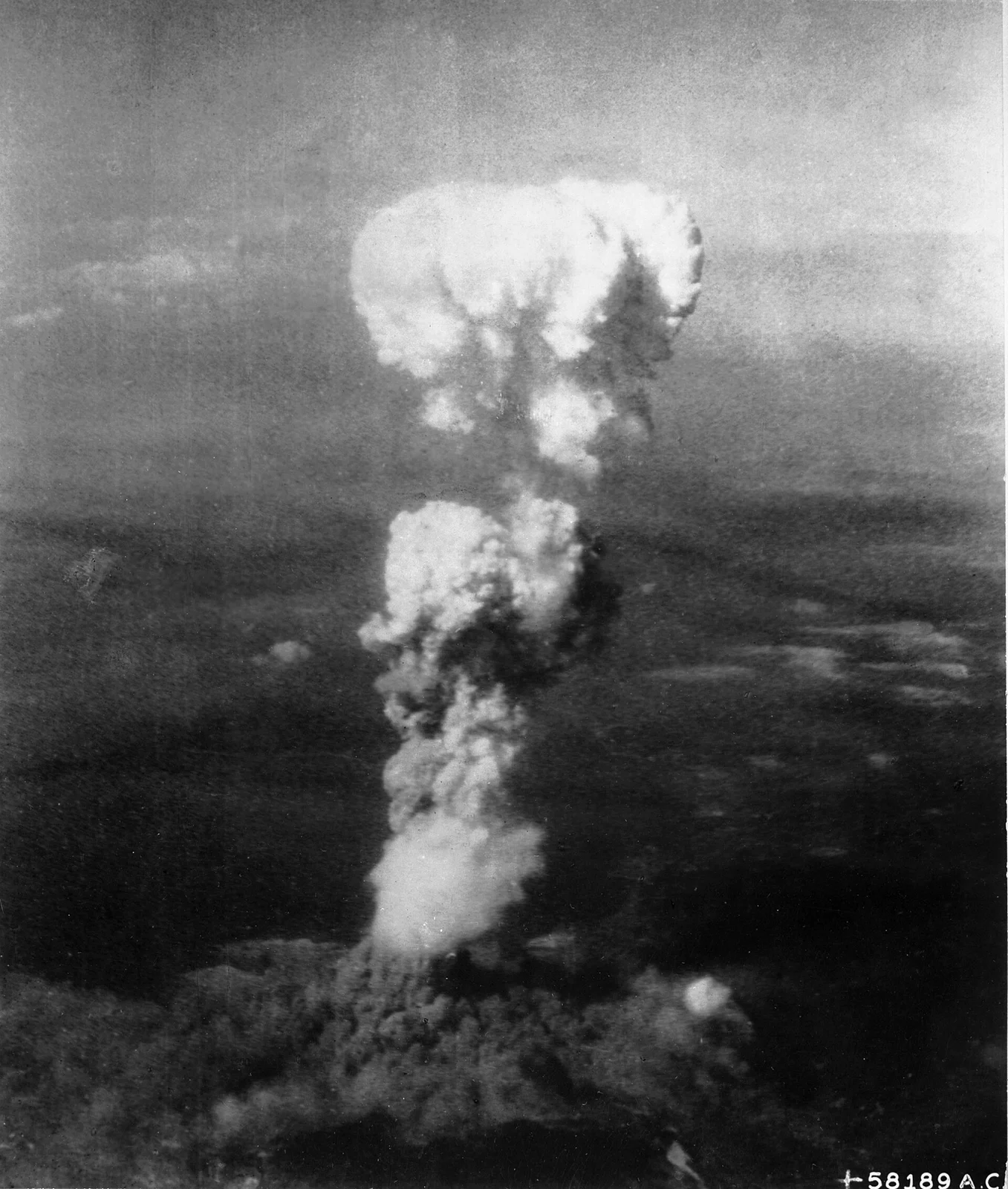 012■HiroshimaConflits et violences de masse · 19459 axes de lecture · 4 sourcesOuvrir le dossier +
Atomic cloud over Hiroshima · 6 August 1945
Image: George R. Caron · Image source · Public domain
The dropping of the first atomic bomb in history on Hiroshima by the United States on August 6, 1945, in the final stage of WWII, killing tens of thousands of civilians.
Chronologie en trois étapes
- 01Before1945
Prolonged conflicts on the Pacific front of World War II, Japan's refusal to surrender, the development of nuclear weapons under the Manhattan Project, and the strategy to end the war quickly are the fundamental causes.
- 02Event / process1945
The dropping of the first atomic bomb in history on Hiroshima by the United States on August 6, 1945, in the final stage of WWII, killing tens of thousands of civilians.
- 03AftermathContinuing memory
The dedication of the first UN resolution to nuclear disarmament and efforts towards a comprehensive ban on nuclear testing.
Contexte historique
The most tragic turning point that demonstrated the destructive power of nuclear weapons and ended the war.
Causes et enchaînement des décisions
Prolonged conflicts on the Pacific front of World War II, Japan's refusal to surrender, the development of nuclear weapons under the Manhattan Project, and the strategy to end the war quickly are the fundamental causes.
Comment les preuves sont-elles établies ?
A colossal shockwave resulting from the nuclear fission explosion, extreme heat radiation exceeding 4000°C, and lethal radioactive fallout.
Conséquences humaines
Tens of thousands of civilians dying instantly, and the 'Hibakusha' generation who suffered from leukemia, thyroid cancer, and genetic mutations in the following years.
Droit et responsabilité
The use of nuclear weapons violates the principle of civilian protection under international humanitarian law; nuclear testing and proliferation are restricted by international treaties like TPNW.
Réponse, réparation et reddition de comptes
The dedication of the first UN resolution to nuclear disarmament and efforts towards a comprehensive ban on nuclear testing.
Leçons pour aujourd’hui
Hiroshima Peace Memorial Park, Genbaku Dome, and thousands of peace lanterns released into the sky every August 6.
Lecture critique
Academic studies evaluate Hiroshima as the beginning of the nuclear age and the moment when the international security paradigm fundamentally changed.
Question de réflexion
Where do the ethical boundaries of using scientific discoveries as tools of military destruction begin?
Sources de vérification
4 références vérifiées 013■ChernobylCatastrophes et responsabilité · 19869 axes de lecture · 4 sourcesOuvrir le dossier +
Chernobyl’s New Safe Confinement · August 2016; not a photograph of the accident
Image: Cls14 · Image source · CC BY-SA 4.0
The explosion at the Chernobyl Nuclear Power Plant in Ukraine on April 26, 1986, considered the worst nuclear accident in history.
Chronologie en trois étapes
- 01Before1986
Reactor design flaws, violation of safety procedures, operator error, authorities' disregard of risk warnings, and lack of transparency in the Soviet system are the fundamental causes.
- 02Event / process1986
The explosion at the Chernobyl Nuclear Power Plant in Ukraine on April 26, 1986, considered the worst nuclear accident in history.
- 03AftermathContinuing memory
Increase of nuclear safety collaborations led by the International Atomic Energy Agency (IAEA) and the creation of a global fund for the Chernobyl Sarcophagus.
Contexte historique
The worst technological disaster demonstrating the global limits of nuclear energy safety and environmental pollution.
Causes et enchaînement des décisions
Reactor design flaws, violation of safety procedures, operator error, authorities' disregard of risk warnings, and lack of transparency in the Soviet system are the fundamental causes.
Comment les preuves sont-elles établies ?
Reactor core meltdown as a result of design flaws and operator errors during a safety test, graphite fire, and radioactive cesium-137 fallout spreading across Europe.
Conséquences humaines
Liquidators suffering from acute radiation syndrome, increased childhood thyroid cancer cases in Ukraine and Belarus, and hundreds of thousands forced to migrate.
Droit et responsabilité
Fundamental revisions in international atomic energy law and reactor design standards; debates on transboundary environmental pollution liability.
Réponse, réparation et reddition de comptes
Increase of nuclear safety collaborations led by the International Atomic Energy Agency (IAEA) and the creation of a global fund for the Chernobyl Sarcophagus.
Leçons pour aujourd’hui
Chernobyl Exclusion Zone becoming a site for biological research and 'dark tourism', Pripyat ghost town, and monuments to the rescue workers.
Lecture critique
Academic studies evaluate Chernobyl as the most striking example of how lack of transparency in authoritarian governance systems amplifies technological risks.
Question de réflexion
What does an invisible danger (radiation) displacing people from their lands teach us about the right to asylum?
Sources de vérification
4 références vérifiées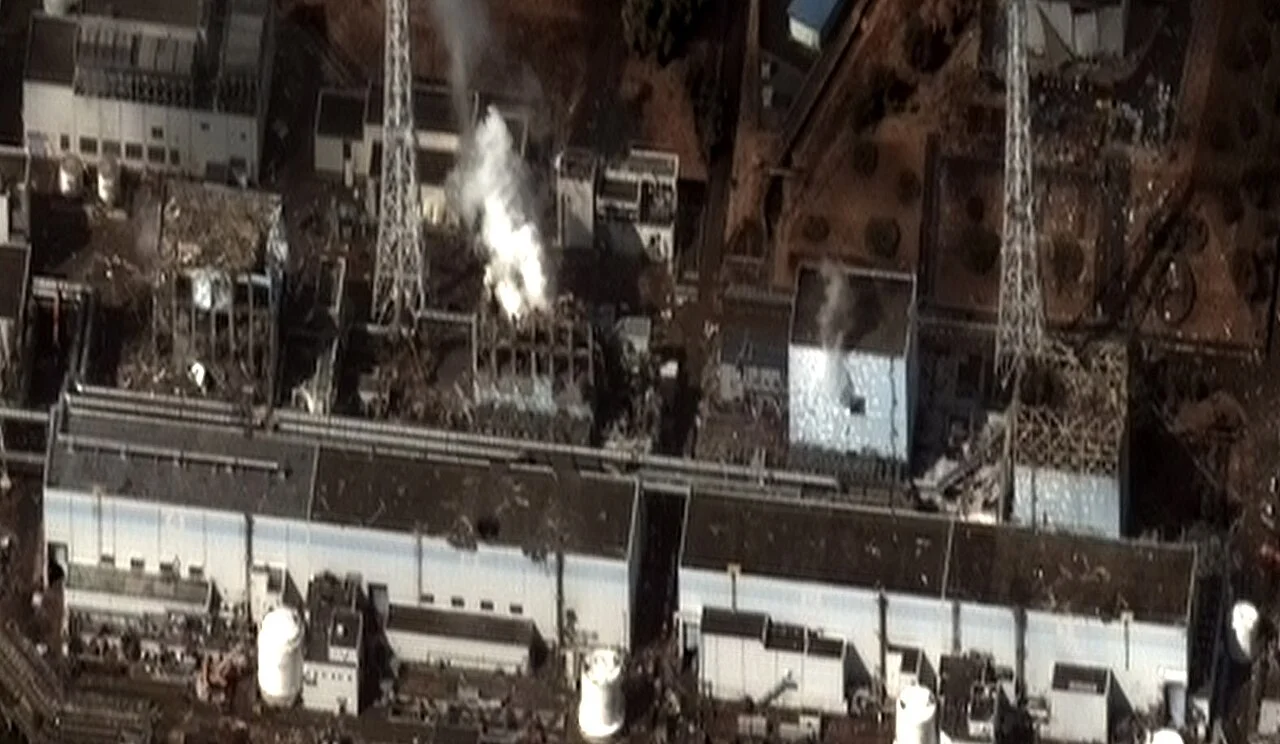 014☢FukushimaCatastrophes et responsabilité · 11 March 20119 axes de lecture · 4 sourcesOuvrir le dossier +
Aerial view of Fukushima Daiichi after the earthquake and tsunami · 16 March 2011
Image: Digital Globe · Image source · CC BY-SA 3.0
The most severe nuclear accident since Chernobyl, triggered by the 9.0-magnitude Tōhoku earthquake and subsequent tsunami that struck northeastern Japan on March 11, 2011, resulting in three reactor core meltdowns at the Fukushima Daiichi Nuclear Power Plant.
Chronologie en trois étapes
- 01Before11 March 2011
The fundamental causes include the plant's design basis underestimating actual tsunami heights, backup generators and cooling systems being positioned near sea level, insufficient risk assessment by regulatory bodies, and gaps in post-earthquake emergency response protocols.
- 02Event / process11 March 2011
The most severe nuclear accident since Chernobyl, triggered by the 9.0-magnitude Tōhoku earthquake and subsequent tsunami that struck northeastern Japan on March 11, 2011, resulting in three reactor core meltdowns at the Fukushima Daiichi Nuclear Power Plant.
- 03AftermathContinuing memory
The International Atomic Energy Agency classified the event at the highest level, level seven. European countries initiated nuclear safety stress tests, and Germany decided to completely phase out nuclear energy. Japan accepted international assistance and fundamentally reformed its nuclear regulatory framework.
Contexte historique
Japan has been a major user of nuclear energy since the 1960s, meeting approximately thirty percent of its energy needs from nuclear power plants. The Fukushima Daiichi Plant consisted of six reactors operational since 1971. The 2011 earthquake was the most powerful in Japan's recorded history, with subsequent tsunami waves exceeding fifteen meters.
Causes et enchaînement des décisions
The fundamental causes include the plant's design basis underestimating actual tsunami heights, backup generators and cooling systems being positioned near sea level, insufficient risk assessment by regulatory bodies, and gaps in post-earthquake emergency response protocols.
Comment les preuves sont-elles établies ?
The tsunami disabled backup power systems, halting reactor cooling and causing three core meltdowns with hydrogen explosions. Radioactive material leaked into the environment; however, no deaths directly attributed to radiation exposure were reported, while over one hundred people died during the evacuation process.
Conséquences humaines
More than one hundred fifty thousand people were forced to leave their homes. Prolonged displacement, social isolation, economic loss, and psychological trauma have been widely documented among evacuated communities. High mortality rates were observed particularly among elderly individuals during the evacuation process.
Droit et responsabilité
Numerous lawsuits were filed against the Japanese government and plant operator TEPCO. Courts confirmed negligent risk management. International nuclear safety standards were comprehensively revised, initiating global reform processes in nuclear energy regulation.
Réponse, réparation et reddition de comptes
The International Atomic Energy Agency classified the event at the highest level, level seven. European countries initiated nuclear safety stress tests, and Germany decided to completely phase out nuclear energy. Japan accepted international assistance and fundamentally reformed its nuclear regulatory framework.
Leçons pour aujourd’hui
Memorial ceremonies are held every year on March eleventh. The Fukushima region is gradually being reopened for resettlement, though some areas remain restricted zones. The event serves as a global reference point in nuclear energy safety debates and energy policy transformations.
Lecture critique
The scientific community considers Fukushima a paradigm shift in nuclear safety. The event exposed inadequacies in risk models addressing the interaction between natural disasters and technological systems, giving rise to new research fields in compound disaster scenarios.
Question de réflexion
How can societies be better prepared regarding the sustainability of the balance between technological progress and natural forces?
Sources de vérification
4 références vérifiées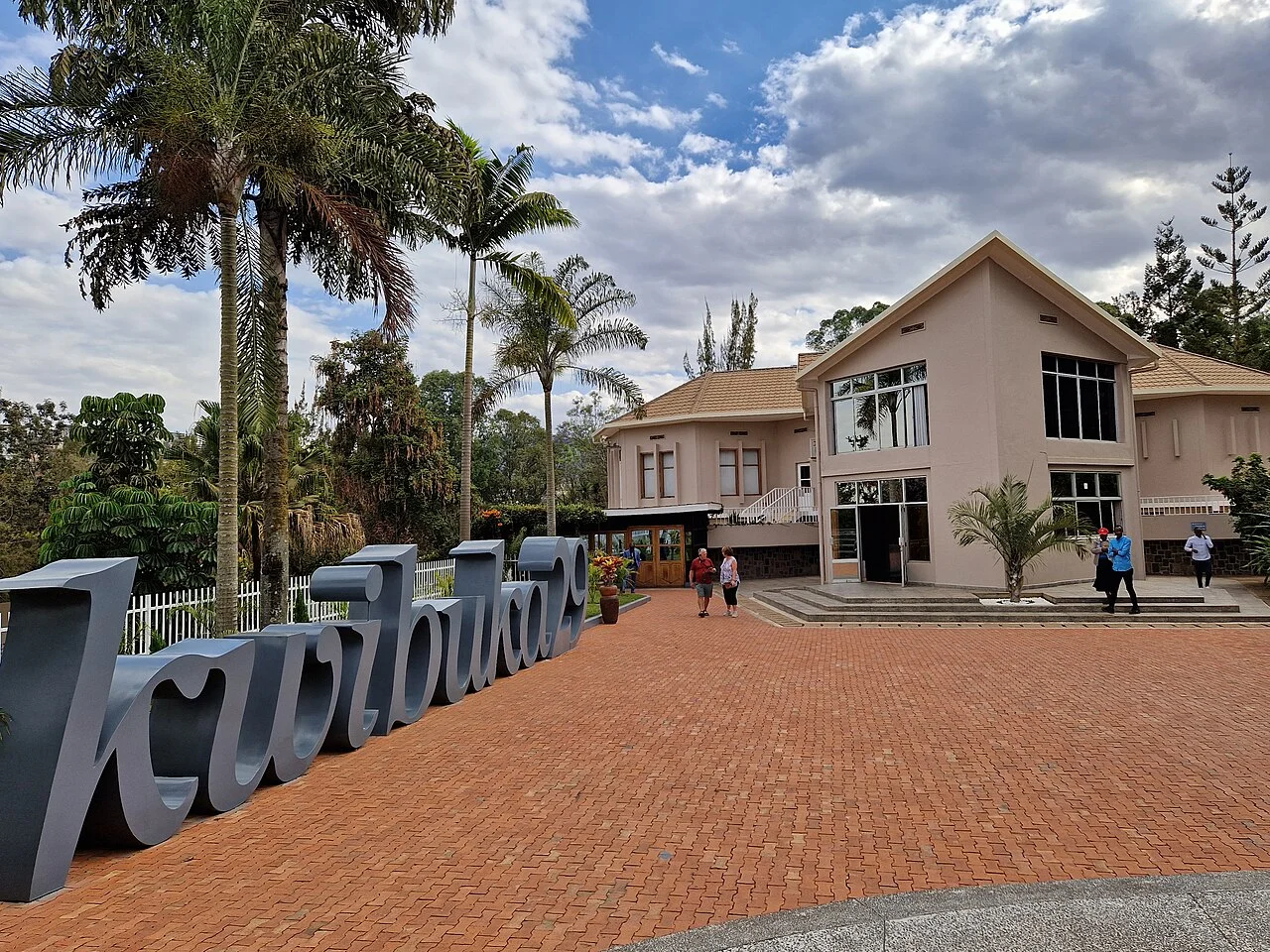 015◆Rwandan GenocideConflits et violences de masse · 19909 axes de lecture · 4 sourcesOuvrir le dossier +
Kigali Genocide Memorial · 2023; a place of remembrance and education
Image: Hanay · Image source · CC BY-SA 3.0
The genocide carried out by the Hutu majority against the Tutsi minority and moderate Hutus in Rwanda in 1994, resulting in the murder of between eight hundred thousand and one million people within approximately one hundred days.
Chronologie en trois étapes
- 01Before1990
Colonial legacy, ethnic classification systems based on identity cards, Hutu Power ideology, media exploitation for hate propaganda, the international community's disregard of early warnings, and the inadequacy of United Nations peacekeeping forces are among the fundamental causes.
- 02Event / process1990
The genocide carried out by the Hutu majority against the Tutsi minority and moderate Hutus in Rwanda in 1994, resulting in the murder of between eight hundred thousand and one million people within approximately one hundred days.
- 03AftermathContinuing memory
The international community's failure to intervene was widely criticized. The UN and Belgium issued formal apologies. The international tribunal established after the genocide produced significant precedent-setting decisions in international criminal law.
Contexte historique
Ethnic tensions in Rwanda trace back to the colonial era when Belgian administration created artificial hierarchies between Hutu and Tutsi groups. Post-independence political instability and ethnic discrimination laid the groundwork for the 1994 genocide.
Causes et enchaînement des décisions
Colonial legacy, ethnic classification systems based on identity cards, Hutu Power ideology, media exploitation for hate propaganda, the international community's disregard of early warnings, and the inadequacy of United Nations peacekeeping forces are among the fundamental causes.
Comment les preuves sont-elles établies ?
The International Criminal Tribunal for Rwanda confirmed the genocide and convicted numerous perpetrators. Gacaca community courts handled approximately two million cases at the local level.
Conséquences humaines
Social structures were deeply fragmented. Hundreds of thousands of children were orphaned, and sexual violence was used as a weapon of war. Trauma continues to be transmitted across generations.
Droit et responsabilité
The United Nations International Criminal Tribunal for Rwanda legally confirmed the genocide. Genocide denial is classified as a crime in Rwanda.
Réponse, réparation et reddition de comptes
The international community's failure to intervene was widely criticized. The UN and Belgium issued formal apologies. The international tribunal established after the genocide produced significant precedent-setting decisions in international criminal law.
Leçons pour aujourd’hui
Kwibuka memorial ceremonies are held every year on April seventh. The Kigali Genocide Memorial and numerous local memorial centers keep the memory alive.
Lecture critique
Academic studies examine the Rwandan genocide from the perspectives of media's role in hate propaganda, international intervention failure, and community-based justice models.
Question de réflexion
How can the potential of media to transform into societal hatred be controlled?
Sources de vérification
4 références vérifiées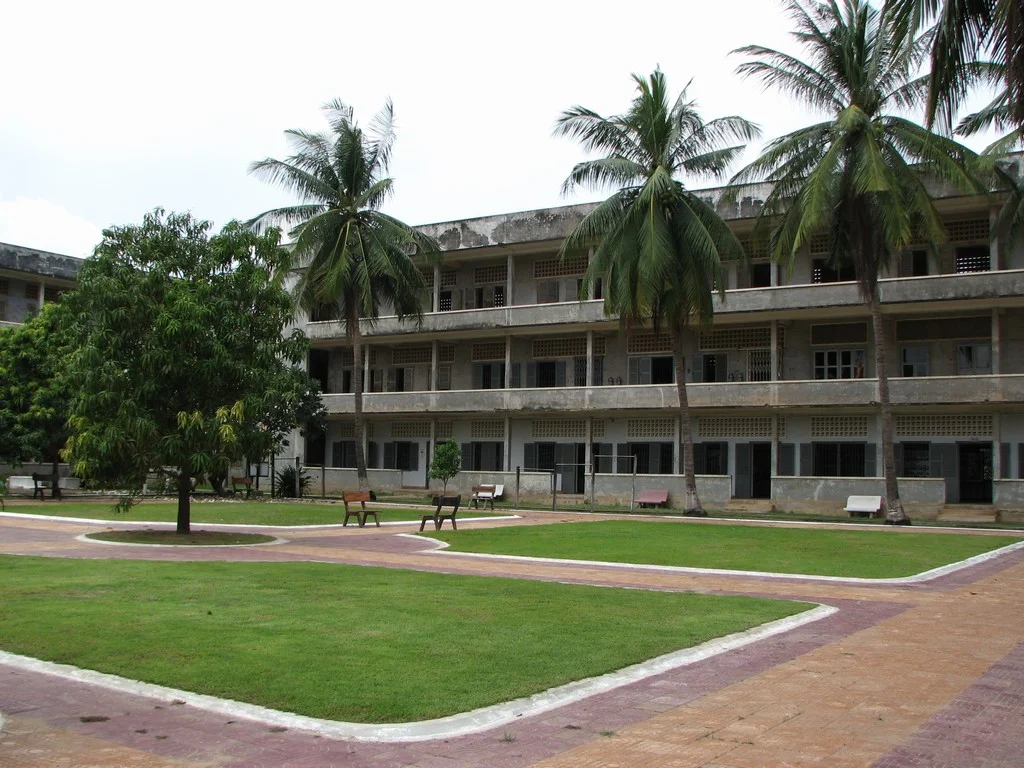 016◈Cambodia (Khmer Rouge)Conflits et violences de masse · 19759 axes de lecture · 4 sourcesOuvrir le dossier +
Courtyard and buildings of the Tuol Sleng Genocide Museum · 2006
Image: Michael Gruijters at Dutch Wikipedia · Image source · CC BY-SA 3.0
The genocide carried out in Cambodia under the Khmer Rouge regime between 1975 and 1979, resulting in the death of between one and a half to two million people — approximately one quarter of the country's population — through starvation, forced labor, torture, and mass executions.
Chronologie en trois étapes
- 01Before1975
Cold War dynamics, regional spillover of the Vietnam War, US bombing of Cambodia, domestic political instability, the rise of extreme Maoist ideology, and the international community's indifference are among the fundamental causes.
- 02Event / process1975
The genocide carried out in Cambodia under the Khmer Rouge regime between 1975 and 1979, resulting in the death of between one and a half to two million people — approximately one quarter of the country's population — through starvation, forced labor, torture, and mass executions.
- 03AftermathContinuing memory
No international intervention occurred during the genocide. Vietnam's 1979 intervention toppled the regime. The Extraordinary Chambers in the Courts of Cambodia were established in 2006 to begin judicial proceedings.
Contexte historique
The Khmer Rouge emerged as a Maoist revolutionary movement during the Cold War era. The spillover of the Vietnam War into Cambodia, US bombings, and civil war created the conditions for the regime's rise to power. Under Pol Pot's leadership, the regime evacuated cities and resorted to systematic violence under the pretext of creating an agrarian utopian society.
Causes et enchaînement des décisions
Cold War dynamics, regional spillover of the Vietnam War, US bombing of Cambodia, domestic political instability, the rise of extreme Maoist ideology, and the international community's indifference are among the fundamental causes.
Comment les preuves sont-elles établies ?
Records from the Tuol Sleng (S-21) detention center, mass grave sites, and the findings of the Extraordinary Chambers in the Courts of Cambodia have comprehensively documented the genocide.
Conséquences humaines
Between one and a half to two million people lost their lives. Families were torn apart, the education system collapsed, and cultural heritage was largely destroyed. The intergenerational impact of trauma continues to this day.
Droit et responsabilité
The Extraordinary Chambers in the Courts of Cambodia convicted senior Khmer Rouge leaders of genocide and crimes against humanity.
Réponse, réparation et reddition de comptes
No international intervention occurred during the genocide. Vietnam's 1979 intervention toppled the regime. The Extraordinary Chambers in the Courts of Cambodia were established in 2006 to begin judicial proceedings.
Leçons pour aujourd’hui
National Remembrance Day is observed every year on May twentieth. The Tuol Sleng Genocide Museum and Choeung Ek mass grave site are the principal memorial sites.
Lecture critique
Academic studies evaluate the Khmer Rouge regime as one of the most extreme examples of ideological fanaticism, isolationism, and utopian social engineering.
Question de réflexion
What institutional safeguards should societies develop against ideological extremism?
Sources de vérification
4 références vérifiées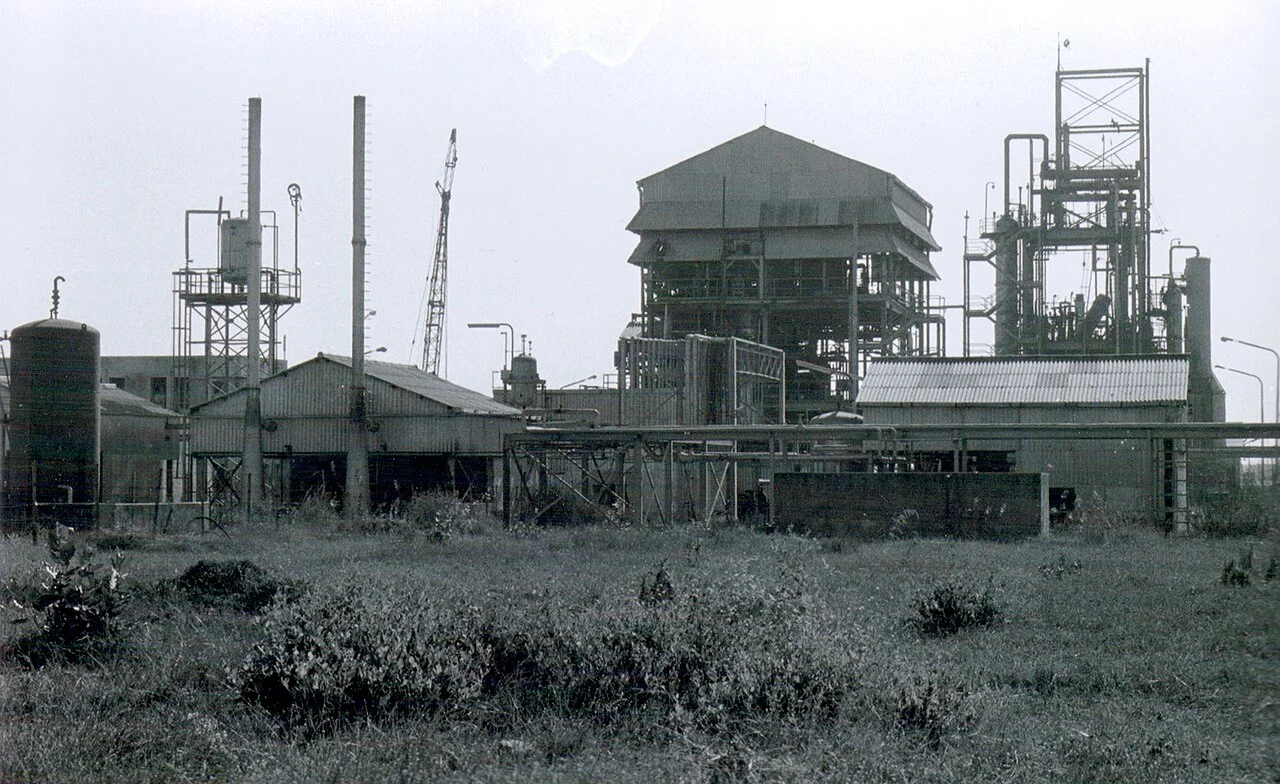 017☁BhopalCatastrophes et responsabilité · 19699 axes de lecture · 4 sourcesOuvrir le dossier +
Archival view of the Union Carbide plant in Bhopal; not an image of the gas leak
Image: Bhopal Medical Appeal, Martin Stott · Image source · CC BY-SA 2.0
The worst industrial disaster in history, caused by a methyl isocyanate gas leak from the Union Carbide pesticide plant in Bhopal, India, on December 3, 1984, killing thousands and causing permanent health problems for hundreds of thousands.
Chronologie en trois étapes
- 01Before1969
Disabling safety systems for cost reasons, maintenance deficiencies, inadequate personnel training, insufficient regulatory oversight, and multinational corporations lowering safety standards in developing countries are the fundamental causes.
- 02Event / process1969
The worst industrial disaster in history, caused by a methyl isocyanate gas leak from the Union Carbide pesticide plant in Bhopal, India, on December 3, 1984, killing thousands and causing permanent health problems for hundreds of thousands.
- 03AftermathContinuing memory
Union Carbide initially denied responsibility, then reached a settlement with the Indian government. The 1989 settlement was widely deemed inadequate internationally. The event led to strengthened international industrial safety standards.
Contexte historique
Union Carbide Corporation established a pesticide production facility in Bhopal in 1969. Safety standards at the plant were progressively reduced over the years, maintenance was neglected, and critical safety systems were disabled to cut costs.
Causes et enchaînement des décisions
Disabling safety systems for cost reasons, maintenance deficiencies, inadequate personnel training, insufficient regulatory oversight, and multinational corporations lowering safety standards in developing countries are the fundamental causes.
Comment les preuves sont-elles établies ?
Methyl isocyanate gas leakage, faulty valves, disabled gas scrubbers, and inadequate alarm systems were documented. Chronic respiratory, neurological, and reproductive health problems persist across generations among the local population.
Conséquences humaines
Hundreds of thousands continue to live with chronic health problems. Birth defects and developmental disorders have been documented in second and third generations. Soil and groundwater contamination continues to this day.
Droit et responsabilité
Criminal investigations were opened in India against Warren Anderson and other executives. In 2010, seven former Indian managers were convicted of negligence. Compensation amounts and environmental cleanup responsibility remain disputed.
Réponse, réparation et reddition de comptes
Union Carbide initially denied responsibility, then reached a settlement with the Indian government. The 1989 settlement was widely deemed inadequate internationally. The event led to strengthened international industrial safety standards.
Leçons pour aujourd’hui
Memorial events are held every year on December second and third. Bhopal serves as a global reference point in industrial safety and corporate responsibility debates.
Lecture critique
Academic studies evaluate Bhopal as the most tragic example of multinational corporations lowering safety standards in developing countries.
Question de réflexion
How can the balance between economic development and industrial safety be maintained?
Sources de vérification
4 références vérifiées 018🚀Challenger DisasterCatastrophes et responsabilité · 28 January 19869 axes de lecture · 4 sourcesOuvrir le dossier +
Challenger on its way to the launch pad · 22 December 1985; before its final flight
Image: NASA · Image source · Public domain
One of the most traumatic events in space exploration history, when NASA's Space Shuttle Challenger broke apart seventy-three seconds after launch on January 28, 1986, killing all seven crew members.
Chronologie en trois étapes
- 01Before28 January 1986
The direct technical cause was the failure of O-ring seals in the solid rocket boosters under cold weather conditions. The rejection by management of Morton Thiokol engineers' recommendations to delay the launch represents institutional failure.
- 02Event / process28 January 1986
One of the most traumatic events in space exploration history, when NASA's Space Shuttle Challenger broke apart seventy-three seconds after launch on January 28, 1986, killing all seven crew members.
- 03AftermathContinuing memory
The safety of space exploration was questioned worldwide. The Rogers Commission's findings led international space agencies to review their safety protocols.
Contexte historique
Challenger was the twenty-fifth flight of NASA's Space Shuttle program. The flight attracted enormous public interest because the crew included teacher Christa McAuliffe. The launch was conducted under unusually cold weather conditions.
Causes et enchaînement des décisions
The direct technical cause was the failure of O-ring seals in the solid rocket boosters under cold weather conditions. The rejection by management of Morton Thiokol engineers' recommendations to delay the launch represents institutional failure.
Comment les preuves sont-elles établies ?
The Rogers Commission documented the O-ring failure and structural problems in NASA's safety culture. Physicist Richard Feynman's ice water demonstration during the commission played a key role in communicating the technical failure to the public.
Conséquences humaines
Deep trauma was experienced by the families of the seven crew members and the NASA community. The live television broadcast of the event caused societal trauma, particularly among schoolchildren watching Christa McAuliffe's lesson.
Droit et responsabilité
The Rogers Commission report is the official investigation document. Institutional responsibility of NASA and Morton Thiokol was established.
Réponse, réparation et reddition de comptes
The safety of space exploration was questioned worldwide. The Rogers Commission's findings led international space agencies to review their safety protocols.
Leçons pour aujourd’hui
Challenger memorials are located at Kennedy Space Center and Arlington National Cemetery. NASA commemorates the crew every January.
Lecture critique
Scientists evaluate Challenger as a systems failure where organizational pressure overrode technical accuracy.
Question de réflexion
Who should have the final say in the conflict between institutional pressure and technical safety?